I must admit, it is exceptionally hard to talk about peace when one is persistently surrounded by raging chaos. Chaos prevails everywhere—in every spectrum of our lives. From politics to current affairs, international conflicts to regional skirmishes, even our environment is in a state of chaos. Economic chaos looms large with rising inflation, crumbling institutions, and a sense of pervasive despair. This utter despair deepens in face of new wave of terrorism and the abandonment we feel from ruling elite, who seem indifferent to addressing any of these issues.
I often tell my colleagues in other parts of the world that in Pakistan, one cannot help being an activist. As the fifth most populous country, we are also among the ten most vulnerable nations to the devastating impacts of climate change.
These effects disproportionately impact less privileged and vulnerable population in terms of displacement and disaster. The current fault lines and divisions among people are more pronounced than ever. Unity, faith and discipline, all seem to be fleeting away from us. The hope of people in the country is at an all-time low with many students, professionals and skilled workers leaving the country, swelling the brain drain. Seeing a viable future here feels like a fading, distant dream. In such circumstances, cultivating peace within becomes an even more difficult feat.
In recent years, the evolving trends and dynamics of social media have disrupted the quality of communication, particularly online.
These platforms have been weaponized to spread disinformation and misinformation, leading to street protests and other significant outcomes. In severe cases, they have allegedly influenced voter turnout and voting patterns in national elections, facilitated hostile campaigns against institutions or individuals, and
propagated populist, often skewed, narratives with distorted history and facts for political or other gains.
For example, U.S. President Donald Trump, in his victory speech, declared his intent to launch a major crackdown on government leakers who collude with “fake news” to spread false narratives to subvert government and democracy. However, the one who defines what is fake holds the real power.
The amendment to Article 26 of Pakistan’s Constitution has also been tainted by similar disruptions in communication, which have disturbed the balance of power among the three pillars of the state and contributed to the erosion of civil rights and liberties. he rise of faceless, abusive online discourse and targeted social media trends against the judiciary,
opposition members, vulnerable communities—including transgender individuals—and practically anyone and everyone who doesn’t ‘fall in line’ with the dominant narrative has contributed to increased polarization and division within society.
Women, particularly female journalists and rights activists, have been disproportionately targeted, facing an onslaught of abuse, including rape and death threats. This has not only affected the lives and health of the victims but has also created a chilling effect, forcing many into silence or self-censorship. These individuals simply no longer feel safe expressing themselves as online spaces have been hijacked by organized groups that set the Moreover, with such control over information, narratives, and discourse, the need for factchecking and combating disinformation has never been greater. Elon Musk, for instance, has
advocated addressing disinformation not through censorship but by promoting better information. He introduced the ‘Community Notes’ feature on his platform, X (formerly Twitter), as part of this initiative. Whether this approach will succeed in curbing disinformation or inadvertently become another tool for
spreading it remains contested. What is clear, however, is that communication and the tools for its dissemination are now centralized in the hands of a few powerful entities, predominantly corporate and political.
This centralization has significantly reduced the space for independent discourse. The clickbait culture, which prioritizes quick monetary gain by selling sensationalism, has further diminished the space and scope for truth and objective reporting. Partisan narratives can be observed being parroted and repeated, serving populist agendas.
This is concerning because a class-based society emerges when the means of production and wealth are unequally distributed, determining the allocation of power within society. Those who control the means of production also control the production and distribution of knowledge to perpetuate and reinforce ideas that serve to uphold the narrow, vested interests of the ruling groups, classes, or castes. The fewer such actors in society, the more unequal it becomes. While, the lesser the diversity of thoughts and ideas indicates the greater the concentration of power in a few hands. As Karl Marx said, “The ideas of the ruling class are in every epoch the ruling ideas, i.e. the class which is the ruling material force of society, is at the same time its ruling intellectual force. The class which has the means of material production at its disposal has control at the same time over the means of mental production, so that thereby, generally speaking, the ideas of those who lack the means of mental production are subject to it.”
In other words, ideology follows the classes. While the internet and the World Wide Web were supposed to be the great equalizers, they have, in fact, created information hegemony and control in such a way that they have almost monopolized, or at least created oligarchies of, information hubs, placing our data and control in the hands of a few companies or individuals, making them extremely powerful players in opinion-building.
They can suppress democratic and independent voices, as we saw with the censorship and suspension of voices from Palestine on Instagram and other platforms, under the pretext that their posts violated ‘community standards.’ This occurred while their governments continued to claim there was no evidence of Israel committing genocide, despite seeing targeted attacks on civilians, babies, children, women, journalists, and UN staff, as well as reports of forced starvation. The fact that what information reaches us—and how it can influence our voting, thinking, purchasing, and other behaviors—is in the hands of a few who can control all of this with algorithms and programming is a reality that we all need to understand. This highlights the larger issue of elite capture over other centers of power, because information is also power.
Just like other centers of power subject to elite capture, information too remains captive. Unless information is democratized and people are given a genuine opportunity to form and express independent views and opinions based on free and accurate information, the fear of it being controlled and weaponized against the public will persist. This fear can influence thoughts and choices, distort peace, promote online abuse and shaming, and make public spaces—including online spaces—unsafe for
users at the receiving end.
Proposed solutions may include democratizing these spaces, deregulation to promote independent expression and enhance transparent access to information to combat fake news. Furthermore, it is essential to provide training for youth on becoming responsible digital citizens, and reducing the impact of fake news, misinformation, and disinformation in accelerating conflicts and violence.
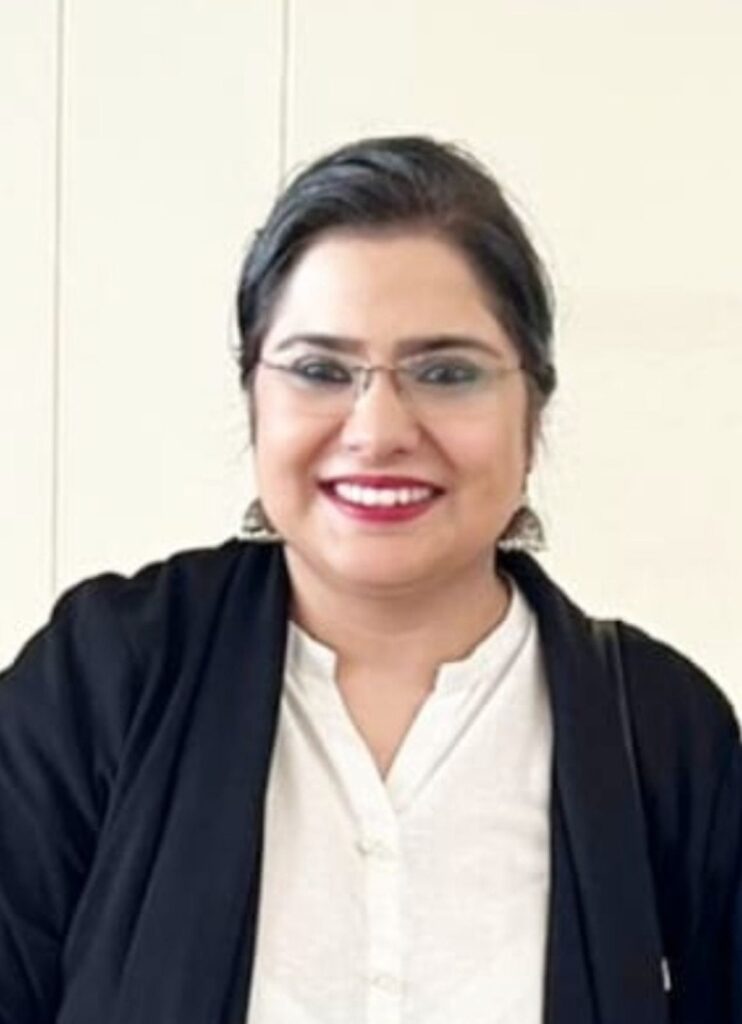
Author: Nida Usman Chaudhry
Email: nida@learnpak.com.pk
Award winning diversity and inclusion lawyer, author and legal expert