

Peace & Health: A Fragile Balance
In the presence of peace, individuals are likely to face neuroticism, security, and a sense of affiliation, thereby creating a stable environment, instrumental or conducive to the flourishing of health
The Literary Resistance to Violence for peaceful Pakistan
In the presence of peace, individuals are likely to face neuroticism, security, and a sense of affiliation, thereby creating a stable environment, instrumental or conducive to the flourishing of health

According to a recent Gallup report, only 23% of employee worldwide feel engaged at work (GALLUP, 2024)

“grief comprises five stages: denial, anger, bargaining, depression, and acceptance.” However, a sixth stage, “meaning,” has since been added to her model, focusing on finding purpose after the loss of a loved one.

Chaos is not merely disorder; it is a fertile ground for new possibilities, as the ancient Greeks understood. Today, this chaos is tacitly expressed in mass shootings, climate disasters, and the widening income disparity.
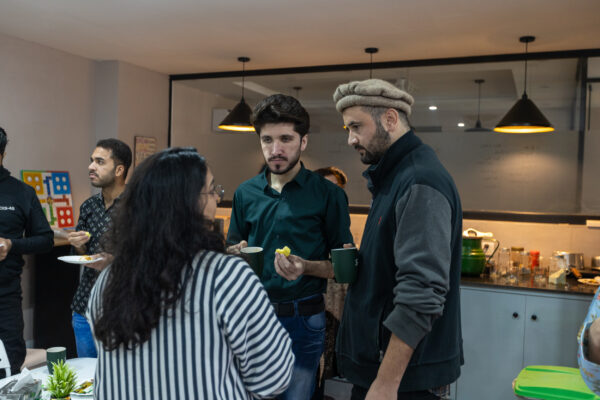
As humans, we are social beings. Whether at work, in our families, or in any area of life, we are constantly interacting with others.

The teachings of Sufi saints have promoted coexistence among diverse faiths and remain relevant today.

Being a psychologist and educationist, I involved in the research of Peace Education and Social Inclusion in collaboration with students since 2014, I have come to believe that we can inculcate sustainable peace through education, in a better, deeper, and stronger form.